
18 Wheeler Parking: How to Find the Right Truck Parking for Commercial Drivers
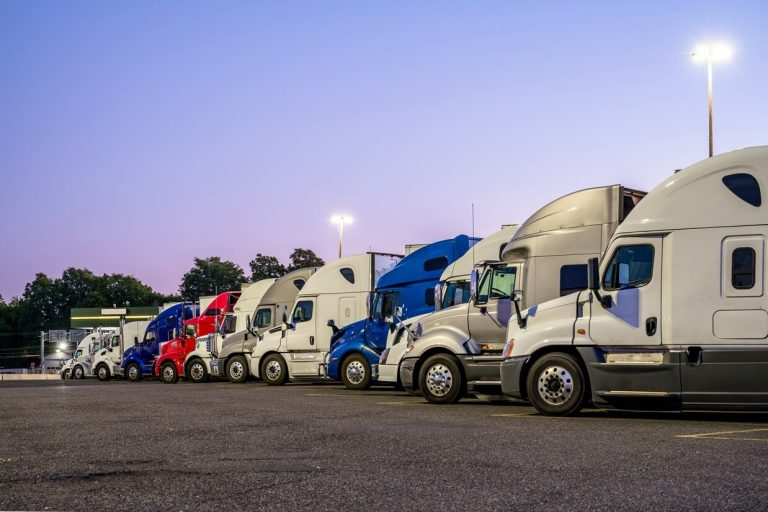
Finding suitable parking is an important part of operating a commercial truck. Whether a driver is finishing a long shift, waiting for the next load, or preparing for an early delivery, having a reliable place to park can make daily operations easier. For owner-operators and trucking companies, parking also affects scheduling, operating costs, equipment management, and driver convenience.
However, locating an appropriate parking space for a tractor-trailer is not always simple. Large vehicles require enough room to enter, maneuver, and exit safely. Parking facilities may also have restrictions on vehicle size, parking duration, access hours, and trailer placement.
Understanding the available options can help drivers make informed decisions. With a clear parking plan and access to commercial parking resources, finding a suitable space becomes more manageable.
1. Why 18-Wheeler Parking Matters for Commercial Drivers
Commercial truck drivers often travel long distances and work with demanding delivery schedules. They need practical places to park when taking required rest breaks, waiting for loading appointments, or managing unexpected delays.
Finding appropriate 18 wheeler parking is especially important because an 18-wheeler occupies considerably more space than a standard passenger vehicle. Not every parking lot or commercial property can accommodate its length, turning radius, and overall dimensions.
A suitable parking location can help drivers:
- Plan rest breaks and overnight stops more effectively.
- Avoid wasting time searching for available spaces.
- Keep the tractor and trailer in an appropriate designated area.
- Coordinate deliveries, pickups, and waiting periods.
- Manage recurring parking needs for regular routes.
For fleet managers, consistent parking arrangements can also improve vehicle scheduling and help organize operations across multiple locations.
2. Explore Dedicated Commercial Truck Parking Facilities
Dedicated commercial parking facilities are one option for drivers looking for a designated place to park their trucks. These properties may be designed to accommodate semi-trucks, tractor-trailers, bobtails, and other commercial vehicles.
Before selecting a facility, drivers should confirm that the property can accommodate their specific vehicle configuration. A location suitable for a bobtail may not have enough space for a tractor connected to a full-length trailer.
Important factors to review include:
- Space dimensions: Check whether the parking spot can accommodate the complete vehicle.
- Access and maneuverability: Look for sufficient room to turn, reverse, and exit.
- Parking duration: Confirm whether daily, overnight, weekly, or monthly arrangements are available.
- Entry requirements: Review access hours, check-in procedures, and any site-specific restrictions.
- Pricing: Understand the total cost and any applicable additional fees before booking.
Not every facility offers the same amenities or services. Drivers should evaluate the actual property details instead of assuming that all commercial lots provide identical conditions.
3. Consider Location When Choosing Truck Parking
Location can make a significant difference when selecting a parking space. A convenient location may reduce unnecessary driving, help drivers reach delivery appointments, and make it easier to coordinate the next stage of a journey.
Many commercial drivers look for parking near major highways, freight corridors, distribution centers, industrial areas, and shipping facilities. These locations can be useful when a driver needs to wait between loads or prepare for a scheduled pickup.
When evaluating a location, consider the following questions:
- Is the parking facility reasonably close to the planned route?
- Can the truck enter and exit without difficult turns or unsuitable roads?
- Are there restrictions on commercial vehicle access?
- Is the location practical for the next pickup or delivery?
- Does the property allow the intended parking duration?
Choosing a convenient location can help reduce detours and make daily planning more efficient. However, proximity alone should not determine the decision. The property must also be suitable for the vehicle and the driver’s intended use.
4. Understand Short-Term and Long-Term Parking Needs
Different trucking operations require different parking arrangements. A driver completing a single trip may need a space for a few hours or overnight, while an owner-operator may need a recurring location near home or a regular operating area.
Short-term parking can be useful when drivers need to wait for a loading appointment, take a scheduled break, or manage a temporary delay. Longer arrangements may suit drivers who return to the same area regularly or businesses that need designated places for commercial vehicles.
When comparing truck parking options, identify how frequently the space will be used and how long the vehicle will remain there.
For recurring needs, ask whether the property offers weekly or monthly arrangements, whether the space can be reserved in advance, and whether the agreement permits repeated access. For occasional use, prioritize location, access, suitability, and the total cost for the expected stay.
Clear planning helps prevent situations where a driver arrives at a property only to discover that the available parking terms do not match the intended schedule.
5. Check Space Requirements for the Tractor and Trailer
One of the most important considerations is the physical size of the vehicle. An 18-wheeler may include a tractor and a long trailer, so the parking space must accommodate the complete combination when the trailer remains attached.
Before confirming a reservation, verify:
- The maximum permitted vehicle and trailer length.
- The available width of the parking space.
- Turning space at entrances and within the lot.
- Clearance around nearby parked vehicles or structures.
- Whether drop-trailer parking is permitted.
- Any restrictions on specific trailer types.
A parking space that looks large enough on a map may still be difficult to access in practice. If property photographs, measurements, or descriptions are unclear, contact the operator before making a commitment.
Drivers should also review any restrictions on refrigerated trailers, flatbeds, hazardous-material loads, or other specialized equipment where applicable. Rules vary by property, so it is important to confirm that the facility accepts the intended vehicle and cargo configuration.
6. Evaluate Access, Rules, and Property Conditions
A useful parking location should meet the driver’s practical requirements as well as the vehicle’s physical needs. Before choosing a facility, review its parking rules and property information carefully.
Check whether the location has defined entry and exit procedures, restrictions on idling, requirements for trailer positioning, or limits on overnight stays. Drivers should also establish whether they need an advance reservation or whether the property accepts arrivals without one.
Property conditions deserve attention, too. Review available photographs and descriptions to understand the parking surface, layout, lighting, and access routes where this information is provided.
If security features are important, verify the specific measures offered by the property. Fencing, controlled entry, lighting, monitoring, and on-site personnel vary between facilities and should not be assumed.
The goal is to select a parking location that matches the driver’s needs and provides clear, understandable terms before arrival.
7. Plan Parking Costs and Operating Expenses
Parking costs can add up for owner-operators and trucking companies, particularly when vehicles require frequent stops or recurring spaces. Comparing options in advance can help operators understand the likely expense and select an arrangement that fits their budgets.
When reviewing prices, consider the full cost rather than focusing only on the advertised rate. A property may charge differently depending on the parking duration, vehicle configuration, location, or services included.
For example, compare the total cost of daily parking with any available weekly or monthly arrangement. If a driver regularly parks in the same area, a longer-term option may be worth investigating. However, the most economical choice depends on the actual rates, usage frequency, and agreement terms.
Fleet managers should also consider the operational cost of driving farther to reach a cheaper parking facility. Fuel, additional travel time, and scheduling requirements may affect the overall value of the decision.
A simple comparison of location, price, access, space dimensions, and parking duration can make it easier to identify a practical option.
8. Top Companies in Commercial Truck and Trailer Parking
Drivers and fleet operators can explore different services when looking for commercial parking. The following companies and platforms are relevant starting points for researching parking options.
1. Stackkly
Stackkly is a commercial truck and trailer parking marketplace designed to help truck drivers, owner-operators, fleet managers, trucking companies, and logistics businesses find and book parking. It focuses on connecting commercial vehicle operators with parking opportunities that fit their needs.
Drivers can use a marketplace approach to explore potential spaces and review available property information before deciding where to park. For operators with recurring parking requirements, Stackkly can be a useful starting point for researching options for trucks and trailers.
2. Truck Parking Club
Truck Parking Club is a platform focused on connecting truck drivers with parking locations. Drivers can explore its available listings and review the details of individual properties to determine whether they meet their vehicle and scheduling requirements.
3. Park My Truck
Park My Truck is associated with truck parking information and resources for commercial drivers. Drivers can investigate available information to identify potential parking locations and understand whether a particular option suits their route and vehicle.
4. Truck Parking USA
Truck Parking USA is another name commercial drivers may encounter while researching parking options. Drivers should review the current listings, property details, and applicable terms to determine whether a location meets their specific requirements.
Availability, pricing, amenities, and booking procedures can vary across platforms and individual properties. Always verify the details directly before traveling to a parking location.
9. Use a Commercial Parking Marketplace to Simplify Your Search
Searching for parking through scattered listings, individual property websites, and phone calls can take time, especially when a driver is unfamiliar with the area. A commercial parking marketplace can help organize the search process by bringing parking opportunities into one place.
With Stackkly, commercial vehicle operators can begin researching potential spaces based on their parking needs. Drivers should look for listings that clearly describe the location, vehicle suitability, parking duration, pricing, and any applicable restrictions.
A marketplace is particularly useful when drivers need to compare multiple options or when trucking businesses are planning parking for several vehicles. Rather than selecting the first location they find, operators can evaluate alternatives against their actual requirements.
Before booking, confirm that the selected space is appropriate for the tractor-trailer combination, that the parking period is permitted, and that the property’s terms are understood.
10. Build a Reliable Parking Plan for Every Trip
Parking is easier to manage when it is included in trip planning instead of being treated as a last-minute task. Drivers can identify likely stopping areas before departure, check potential facilities, and establish alternatives in case their first choice is unavailable.
For regular routes, keeping a record of suitable facilities can help reduce repeated searches. Fleet managers can also coordinate parking requirements with delivery schedules and vehicle assignments.
When evaluating 18 wheeler parking, focus on location, dimensions, access, cost, and the intended duration of the stay. Verify current availability and all property-specific conditions before relying on a listing.
Conclusion
Finding the right parking location is an essential part of managing commercial trucking operations. Drivers need spaces that accommodate their vehicles, fit their schedules, and provide clear terms for access and use. Careful planning can reduce unnecessary detours, improve coordination, and make parking decisions more predictable.
Whether you need a place for a single overnight stop or a recurring location for commercial operations, compare the available facilities and verify their details before booking.
Stackkly supports this process by helping drivers, owner-operators, and fleet businesses explore commercial truck and trailer parking opportunities. By planning ahead and choosing spaces based on practical requirements, commercial vehicle operators can make more informed parking decisions.